
Creative Blocks Are Physical: Why Your Body Halts Your Ideas
Brain body connections behind creative stalls and simple ways to restore flow

★
There are days when your mind feels like it has quietly abandoned you. You sit in front of your notebook, laptop, unfinished draft, blank canvas, camera roll, study table, or half formed idea with the full intention of creating something meaningful, and suddenly everything inside you feels strangely distant. Thoughts move slowly. Words refuse to gather themselves into sentences. Even imagination feels exhausted. You reread the same line five times and still cannot process it. You open social media for “a minute,” stare blankly at other people’s productivity, and end up feeling worse. Then the guilt begins. You tell yourself you are becoming lazy. Undisciplined. Distracted. Untalented. You promise to force yourself harder tomorrow.
But what if creativity is not disappearing because you are weak? What if your body is trying to tell you something your mind has been ignoring for too long? What if creative blocks are not just mental failures but physical responses from a nervous system that has become exhausted, overstimulated, emotionally overloaded, or stuck in survival mode?
Most people never consider this possibility because modern culture teaches us to separate the brain from the body as if thoughts exist independently from biology. We talk about imagination like it floats magically above physical reality. But every idea you have ever had has existed inside a body. Your thoughts happen inside a nervous system. Your emotions alter your heartbeat. Stress changes your breathing. Fear changes muscle tension. Exhaustion changes cognition. The body and mind are not separate systems awkwardly interacting with one another. They are deeply intertwined. Which means creativity is physical too.
★
One of the biggest lies people internalize is the idea that creativity should survive no matter how badly the body is being treated. People romanticize sleepless nights, overwork, burnout, and emotional suffering as if great ideas are born only through self destruction. There is this strange admiration for exhausted people who continue producing endlessly while falling apart internally.

But the nervous system does not care about hustle culture. Biology always keeps score eventually. Sleep deprivation alone can drastically impair attention, memory, emotional regulation, and cognitive flexibility, all of which are essential for creativity. When the brain is exhausted, it struggles to make connections between ideas. Thoughts become rigid instead of expansive. Curiosity disappears. Even reading a paragraph can feel mentally heavy. Yet people experience these completely normal biological responses and immediately assume they have become intellectually inadequate.
They do not realize that sometimes the blocked writer is not uninspired. Sometimes the blocked writer simply has not rested properly in months. Sometimes the artist who cannot paint is emotionally overwhelmed. Sometimes the student who cannot focus is chronically anxious. Sometimes the musician who cannot compose is surviving on stress hormones and caffeine while expecting their imagination to function beautifully anyway. The body was never designed for endless output without recovery.
“Sometimes your creativity disappears because your nervous system is trying to survive, not because your talent left.”
Stress changes creativity more deeply than people realize because the brain behaves differently under threat. When the nervous system perceives danger, whether physical or emotional, it activates survival responses designed to protect you. Cortisol and adrenaline increase. Attention narrows. The brain prioritizes efficiency and protection instead of exploration and experimentation. This is incredibly useful during emergencies because survival matters more than imagination when danger is present. But modern life keeps people trapped in low level survival states constantly. Deadlines, academic pressure, social comparison, financial anxiety, emotional conflict, digital overstimulation, fear of failure, fear of being forgotten, fear of not doing enough, fear of not becoming enough. The nervous system absorbs all of it.
Then people sit down to create something meaningful and wonder why their thoughts feel numb and fragmented. Creativity requires openness. It needs emotional flexibility, curiosity, playfulness, and enough psychological safety for the mind to wander freely. A stressed nervous system struggles to wander because it is too busy scanning for danger. This is why your best ideas often appear during showers, long drives, vacations, late night walks, or quiet moments when you are finally relaxed enough to stop monitoring yourself constantly. The body softens first. Then the mind opens. Not because you forced inspiration into existence but because the nervous system finally felt safe enough to let go.

There is also something deeply revealing about the connection between movement and thinking. Human beings did not evolve sitting still for ten hours a day staring at screens while remaining mentally sharp. The brain evolved alongside physical movement. Walking, climbing, running, reaching, exploring, and interacting with the environment were always connected to thinking processes.
Many studies show that walking improves divergent thinking, which is the ability to generate multiple ideas and possibilities. There is a reason people suddenly solve emotional problems while pacing around their room. There is a reason writers throughout history were obsessed with long walks. There is a reason ideas arrive while exercising, stretching, dancing, or simply moving through space. Rhythmic movement changes the nervous system itself. It regulates stress responses, increases blood flow, and creates shifts in mental state that help thoughts become more fluid. Yet modern lifestyles disconnect people from their bodies almost completely. People sit in the same position for hours, breathing shallowly, absorbing endless information, and wondering why their minds feel creatively dead. The body is not interrupting creativity. The body is part of the creative process itself.
Another reason creative blocks feel so devastating is because creativity is tied closely to identity. When people cannot create, they often feel disconnected from themselves. A writer who cannot write may feel invisible. A student who cannot think clearly may feel intellectually broken. An artist who cannot produce work may feel emotionally trapped inside their own body. Creativity is deeply personal because it involves expression. It is not simply about productivity. It is about feeling alive enough to turn internal experiences into something visible. This is why creative blocks trigger shame so quickly. People begin questioning their worth instead of questioning the conditions surrounding them. They assume the problem is character rather than physiology.
But shame itself activates stress responses in the body. Harsh self criticism increases anxiety, which further reduces cognitive flexibility and emotional openness. The cycle feeds itself. People become afraid of their own unfinished thoughts. They stare at blank pages already expecting failure. Perfectionism enters the process and suffocates experimentation completely. Perfectionism is often described as ambition, but biologically it is closely tied to fear. The brain begins treating mistakes like threats. For many people this begins in childhood environments where criticism, shame, emotional withdrawal, or unrealistic expectations made imperfection feel unsafe. Over time the nervous system learns that creating freely is dangerous because mistakes feel emotionally costly. So the body freezes before the work even begins.
“Perfectionism is often a nervous system terrified of humiliation.”
The relationship between emotions and creativity is also far more physical than people acknowledge. Emotional experiences are not stored only as thoughts floating abstractly in the mind. They live inside the body too. Anxiety tightens the chest. Grief weakens the body physically. Fear changes breathing patterns. Loneliness alters hormone regulation. Emotional exhaustion creates literal fatigue. The body remembers stress even when the conscious mind tries to move forward quickly. This is why people often feel mentally lighter after crying, exercising, screaming into a pillow, dancing, stretching, or simply resting deeply for the first time in weeks.
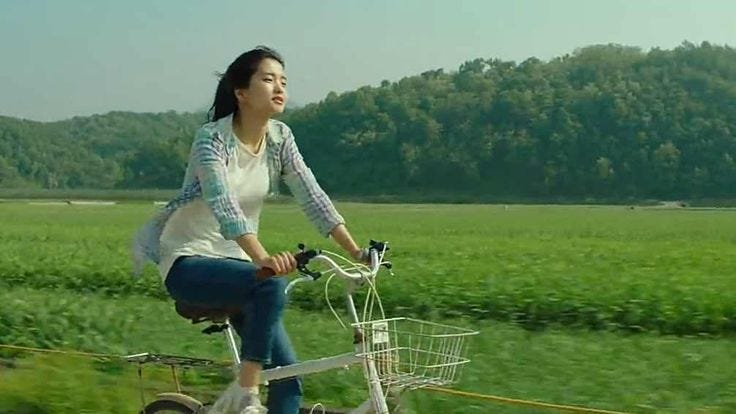
Emotional regulation is physical regulation too. Sometimes creativity disappears because emotions have become trapped rather than processed. Many people spend years suppressing feelings because vulnerability feels unsafe or inconvenient. But emotional suppression comes with consequences. You cannot numb pain without also dulling imagination. Creativity depends heavily on emotional access because emotions provide texture, meaning, memory, symbolism, and depth. Some of the most powerful creative breakthroughs happen when people stop trying to appear emotionally perfect and start expressing complexity honestly instead. Human beings connect deeply to authenticity because real emotion resonates psychologically and neurologically. People recognize themselves inside truth.
Modern life also destroys creativity through overstimulation. The human brain was never designed to process the amount of information people consume daily now. Endless scrolling, notifications, short form videos, constant comparison, digital noise, multitasking, emotional overload, and fragmented attention create enormous cognitive exhaustion.
People rarely experience genuine boredom anymore because distraction is available every second. But boredom is deeply connected to imagination. The brain has something called the default mode network, which becomes active during moments of quiet reflection and mental wandering. This network is associated with creativity, memory integration, introspection, and idea generation.
Some of the most original thoughts appear during moments when attention is unfocused and allowed to drift naturally. But constant stimulation interrupts that process completely. People fill every empty second with noise. Music during walks. Videos during meals. Scrolling before sleep. Notifications during work. The nervous system never fully settles into stillness long enough for deeper thoughts to emerge. Then people wonder why they feel creatively empty despite consuming endless content every day. Creativity needs spaciousness. It needs silence. It needs moments where the brain can breathe without being constantly interrupted.
“Your imagination cannot speak clearly if your nervous system never experiences silence.”
There is also a social dimension to creative blocks that people underestimate constantly. Human nervous systems are relational. Safe relationships regulate stress responses. Feeling emotionally understood changes body chemistry itself. Genuine connection calms defensive tension within the nervous system. This is why loneliness affects creativity so profoundly. Isolation increases stress, emotional numbness, and cognitive fatigue.
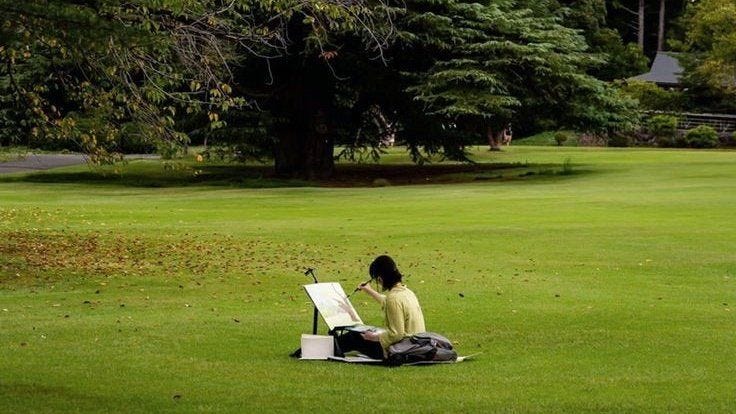
Many people withdraw from others when creatively blocked because shame convinces them they need to fix themselves privately before reconnecting. But isolation often intensifies dysregulation. Sometimes creativity returns after a single meaningful conversation. One long walk with someone safe. One moment of laughter that relaxes the body unexpectedly. One reminder that your worth is not dependent on productivity. Emotional safety changes cognition. And cognition shapes creativity. The chain is deeply physical. Even something as simple as eye contact, supportive touch, or feeling emotionally seen affects nervous system regulation. Humans are not isolated thinking machines. We are emotional and biological systems constantly influencing one another.
This becomes even more important when considering trauma and chronic stress. Trauma does not always mean catastrophic events. Chronic criticism, neglect, instability, bullying, emotional invalidation, or constantly growing up in environments where safety felt unpredictable can shape the nervous system profoundly. Trauma often creates hypervigilance, where the body remains alert even during safe moments because it has learned that danger can appear unexpectedly.
Creativity requires vulnerability because creating meaningful work involves revealing something internal. For hypervigilant nervous systems, vulnerability can feel threatening. This is why some people have incredibly vivid inner worlds but struggle to express them externally. The block is not lack of imagination. Sometimes the body simply does not feel safe enough to reveal what exists inside. Ironically, creativity itself can become healing because creative expression helps process emotional experiences that words alone sometimes cannot hold. Journaling organizes internal chaos. Music regulates emotional states. Movement releases trapped tension. Art externalizes painful experiences. The body can both block creativity and heal through it.
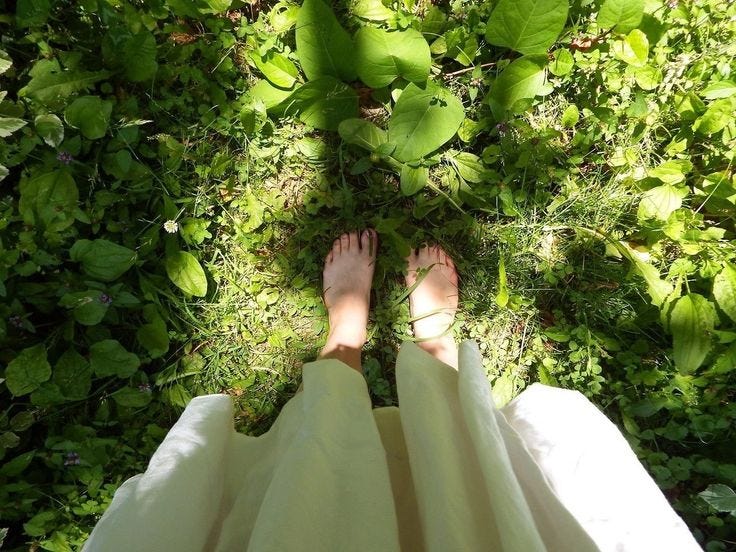
Flow states reveal this relationship beautifully. Flow is the deeply immersive state where attention becomes completely absorbed in an activity. Time feels altered. Self consciousness decreases. Thoughts become fluid. But flow cannot happen inside extreme stress. The nervous system usually needs enough calmness to sustain deep concentration while remaining alert enough to engage fully. Excess anxiety disrupts flow. Exhaustion disrupts flow. Constant interruptions destroy flow instantly.
Modern lifestyles are almost perfectly designed to prevent flow from happening naturally. Notifications interrupt thoughts every few minutes. Sleep schedules remain irregular. Attention becomes fragmented through multitasking constantly. Emotional overstimulation keeps the nervous system activated. Then people blame themselves for feeling creatively broken. But maybe the environment itself is fragmenting the nervous system beyond what the brain can sustain comfortably. Maybe creativity is not gone. Maybe it is overstimulated, overprotected, exhausted, and waiting for recovery.
In the end, one of the most comforting realizations is understanding that creative blocks are not always signs of personal failure. Sometimes they are signals from the body asking for care instead of punishment. Maybe you are not lazy. Maybe your nervous system is exhausted. Maybe your body has been carrying stress for so long that imagination no longer has enough space to breathe. Maybe creativity disappeared because survival consumed all available energy. And maybe the way back is not through harsher discipline but through regulation, rest, movement, emotional honesty, connection, silence, nourishment, and safety.
The next time your creativity disappears, ask yourself a different question. Not “What is wrong with me?” but “What is happening inside my body?” Because your imagination does not exist separately from your humanity. It lives inside breath, heartbeat, memory, emotion, tension, exhaustion, longing, and nervous system patterns shaped by every experience you have ever survived. Sometimes the way back to creativity is not forcing the mind harder. Sometimes it begins with finally letting the body feel safe enough to create again.
“The body does not hate your creativity. Sometimes it is simply begging you to slow down long enough to hear yourself again.”